
What Is Bitumen and What Are Its Uses?
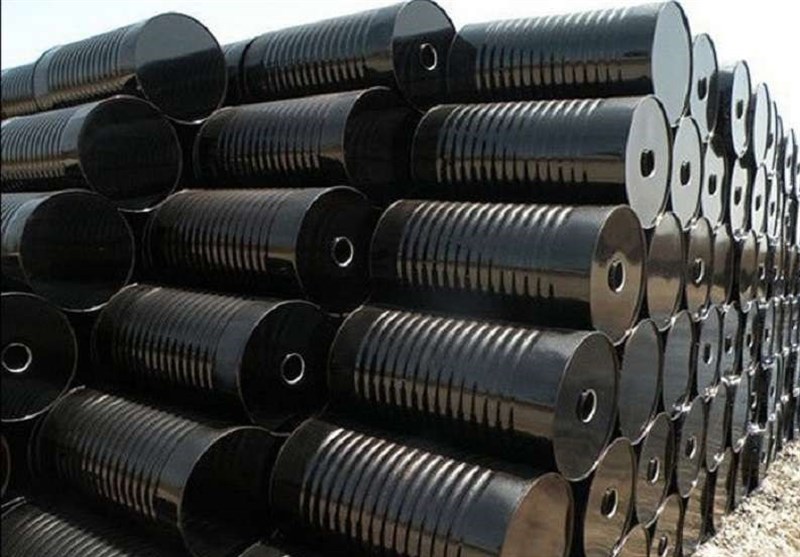
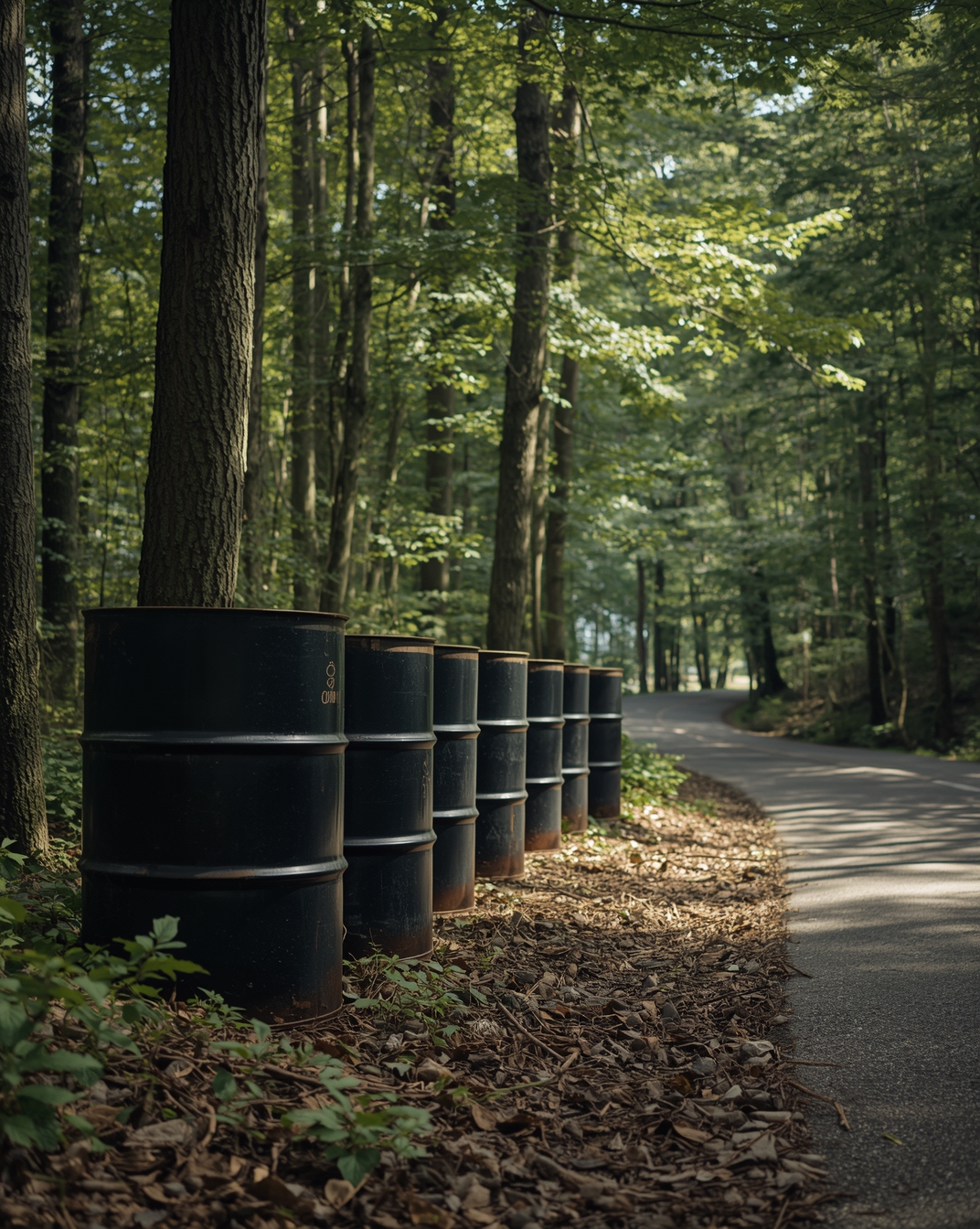
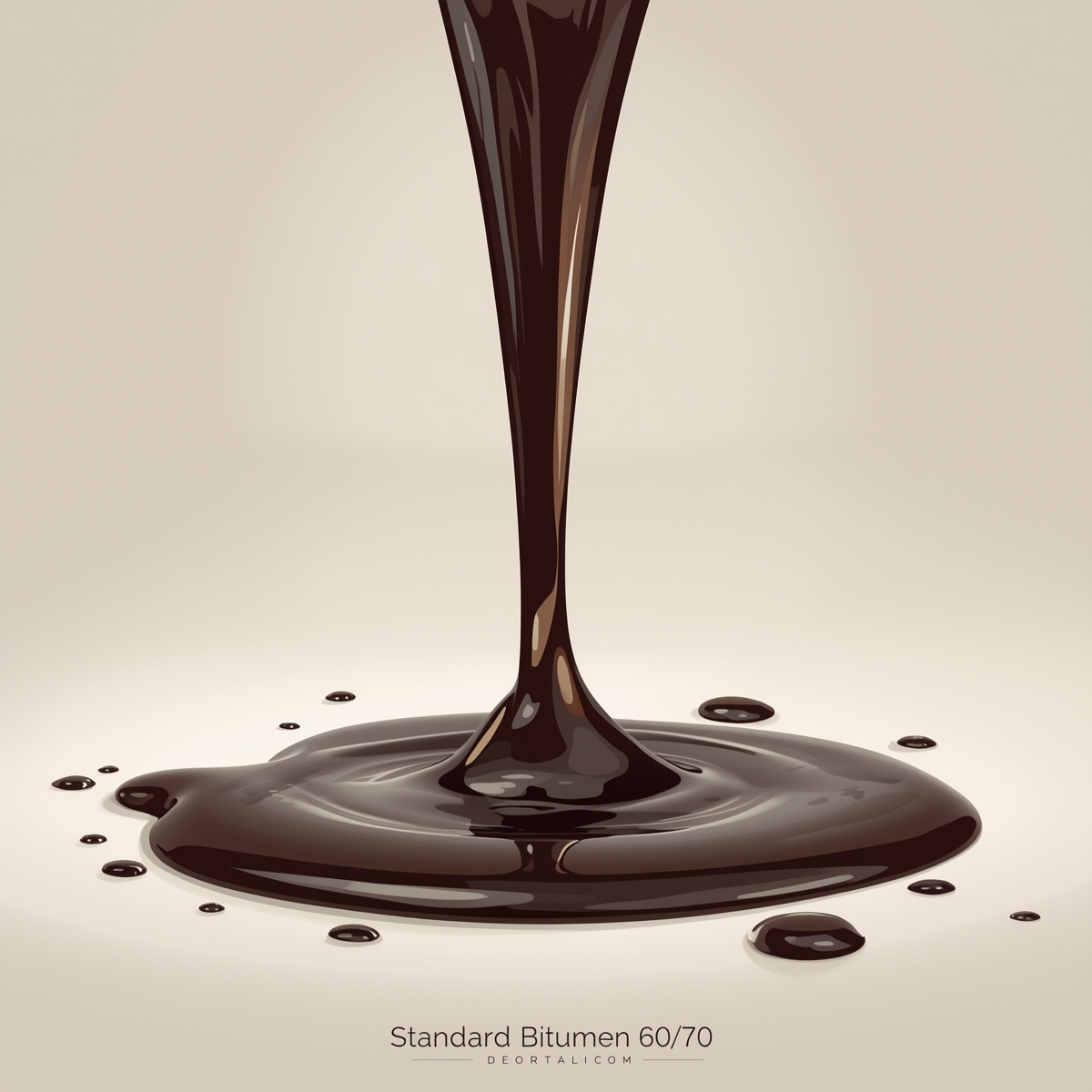
Bitumen is a black, sticky substance with a wide range of applications in road construction, waterproofing, and the petrochemical industry.
In this article from Iran Bitumen, we introduce the types of bitumen, their characteristics, and main industrial applications.
Introduction
Bitumen is one of the most important petroleum derivatives and plays a vital role in various industries, especially in road construction and building insulation.
This dark and viscous material is obtained from the distillation of crude oil and, due to its waterproofing and adhesive properties, has been used by humans since ancient times.
A Brief History of Bitumen
The use of bitumen dates back over 3,000 years.
In ancient civilizations, natural bitumen was used to waterproof ships and buildings.
Today, with the advancement of the oil industry, bitumen is produced industrially with much higher quality and consistency.
Types of Bitumen
Bitumen is generally divided into two main categories:
- Petroleum Bitumen
This type of bitumen is obtained through the refining of crude oil and has the highest consumption worldwide.
Petroleum bitumen itself is classified into several grades:
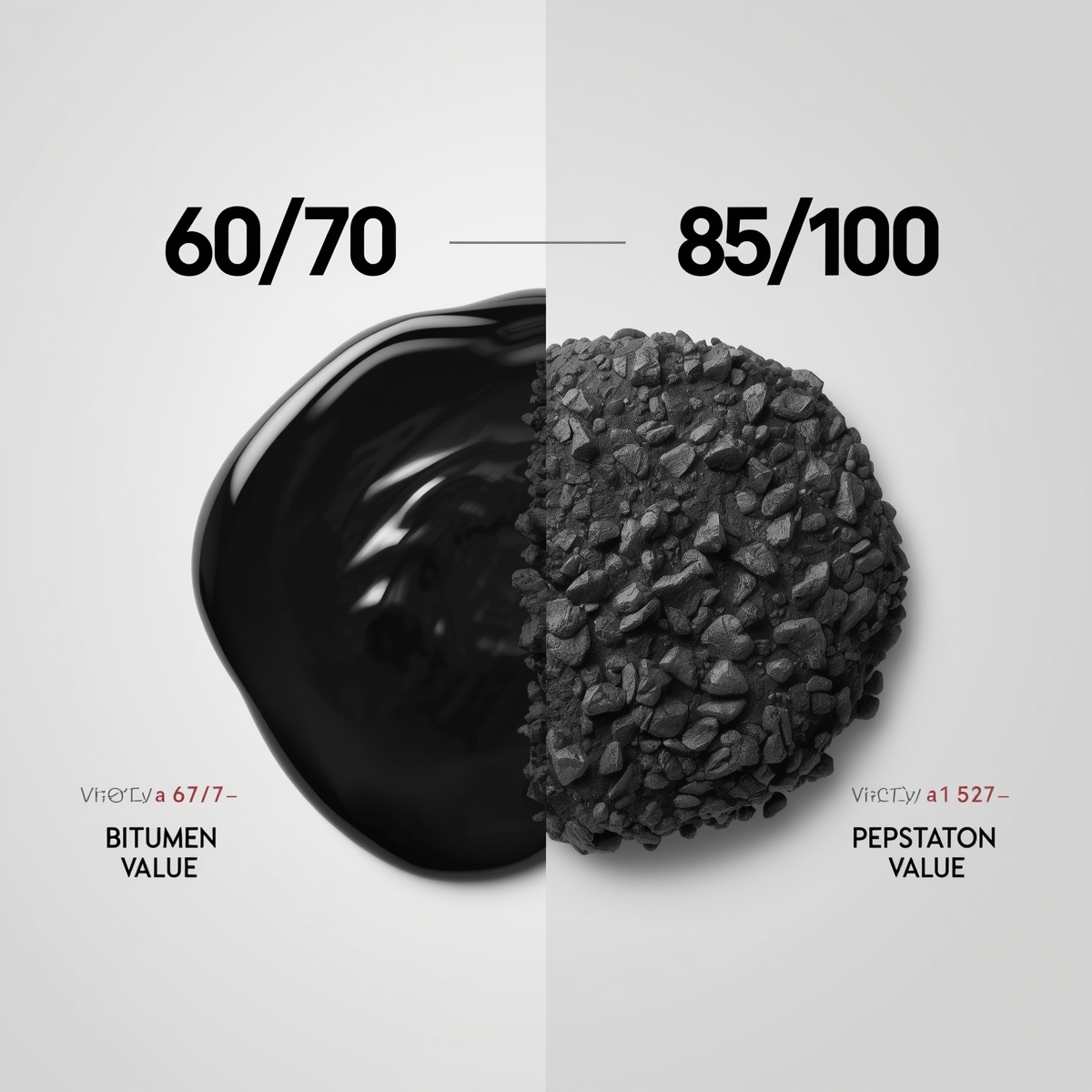
Penetration Bitumen – suitable for asphalt paving in cold regions.
Hard Bitumen – commonly used in tropical or hot climates.
Emulsion Bitumen – a mixture of bitumen and water used for fast and economical projects.
- Natural Bitumen
Natural or mineral bitumen is extracted directly from natural deposits.
This type of bitumen has higher purity and longer durability, and it is used in specific industrial applications.
Properties of High-Quality Bitumen
When selecting the right bitumen, attention should be given to the following characteristics:
High adhesiveness
Excellent water resistance
Thermal stability
Flexibility across different temperatures
Main Applications of Bitumen
Because of its unique properties, bitumen is used across multiple industries.
The most common applications include:
- Road Construction and Asphalt
More than 85% of all bitumen consumption belongs to the road construction industry.
Bitumen acts as the binding agent that holds together aggregate materials in asphalt mixtures.
- Building Insulation
Bitumen and felt are among the oldest and most cost-effective methods of waterproofing roofs and walls.
- Oil and Petrochemical Industries
Bitumen is used in the production of membranes (such as bituminous sheets and waterproofing), coating pipelines and tanks, and even in some chemical compounds.
- Specialized Applications
Bitumen is also used in marine industries, paint manufacturing, and even certain traditional medical uses.
Advantages of Using Bitumen
Cost-effective compared to other waterproofing materials
High resistance to moisture and environmental conditions
Widely available and mass-produced in Iran
The Bitumen Market in Iran
Iran is one of the largest producers of bitumen in the world and exports significant quantities to various countries every year.
The high quality of Iranian petroleum bitumen and its competitive price have made it a highly demanded product in international markets.
Conclusion
Bitumen is a strategic material in multiple industries, especially construction and waterproofing.
Understanding the types, properties, and applications of bitumen helps companies and consumers make smarter and more economical choices.
Iran Bitumen is ready to provide professional information and supply high-quality bitumen for both domestic and export projects.