
Types of Bitumen and Their Applications
Types of Bitumen and Their Applications + Iran’s Bitumen Export Sales
Bitumen is one of the oldest and most widely used materials in the construction and road-building industries, holding a special place in the economies of oil-producing nations.
As one of the world’s largest holders of oil reserves, Iran produces a wide range of high-quality bitumen grades that not only meet domestic demand but are also highly sought after in global markets. This article explores the **different types of bitumen**, their applications, and the current state of **Iran’s bitumen export sales**.
1. Types of Bitumen and Their Applications
Therefore bitumen is a viscous, black or dark brown material derived primarily from the distillation of crude oil. Depending on the production method and physical properties, bitumen is categorized into several main types:
A) Natural Bitumen
Natural bitumen occurs in its pure form in nature and requires minimal industrial processing. It is found in regions such as Trinidad and parts of Iran (e.g., Kermanshah).**Applications:** Due to its high purity, it is used in historical restoration projects, waterproofing, and occasionally as a base for modified bitumen.
B) Petroleum Bitumen
This is the most common type of bitumen worldwide, obtained as a residue from the fractional distillation of crude oil in refineries.
**Petroleum bitumen is classified by penetration grade (Pen Grade):**
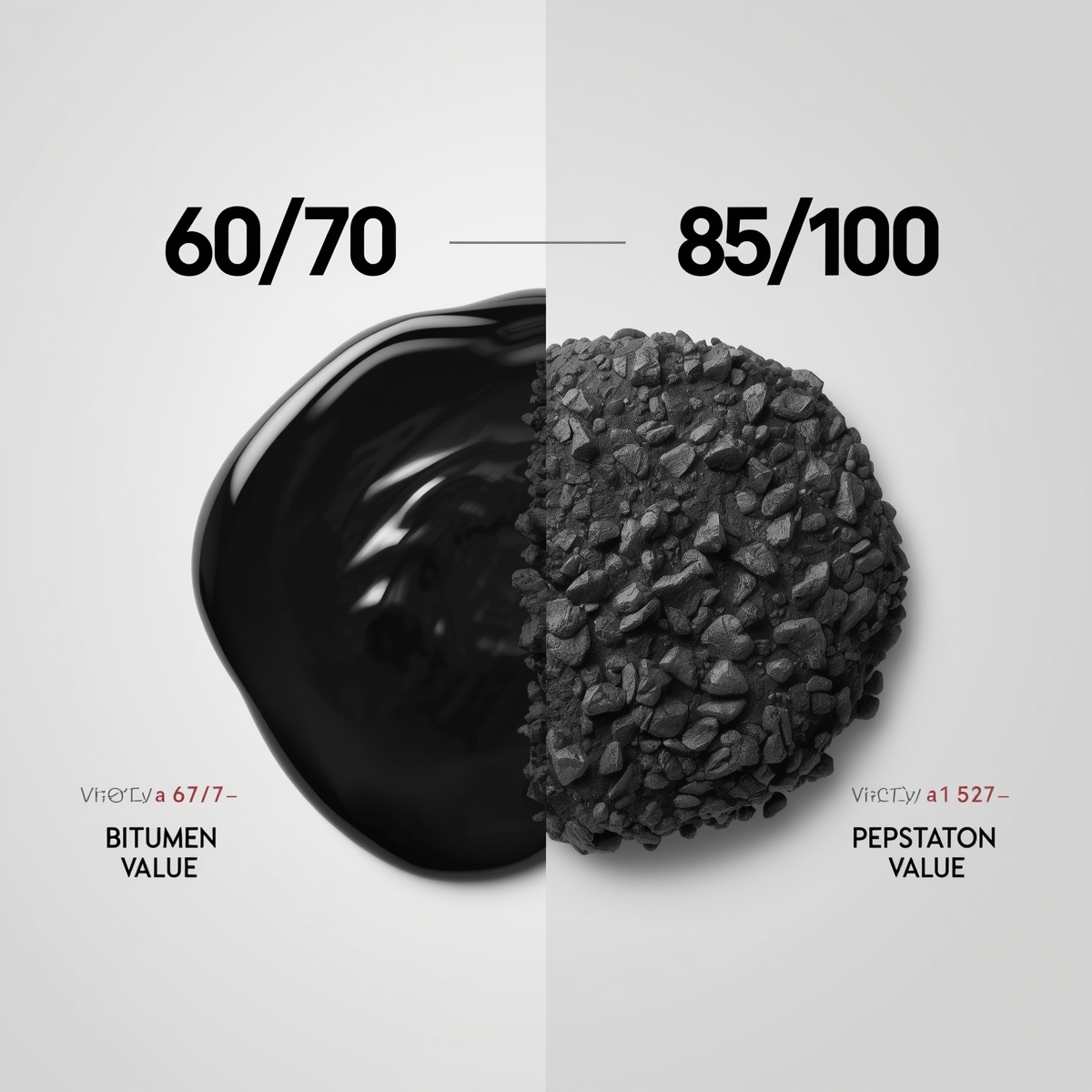
– **60/70:** The most widely used grade in Iran for road asphalt. It offers an ideal balance between hardness and flexibility.
– **85/100 :** Suitable for colder climates, as it remains workable at lower temperatures.
– **45/55 :** Ideal for hot climates and projects requiring high resistance to elevated temperatures.
– **120/150 :** Used in minor roadworks and maintenance projects.**Applications:** Primarily used in road paving, airport runways, dam construction, and building waterproofing.
C) Modified Bitumen (Polymer-Modified Bitumen – PMB)
Modified bitumen is produced by adding polymers (such as SBS or EVA) to base bitumen, significantly enhancing its mechanical and thermal properties.**Applications:** Critical infrastructure such as airport runways, bridges, and high-traffic or extreme-climate road projects.
D) Bitumen Emulsion
Also bitumen emulsion is a mixture of bitumen, water, and an emulsifying agent. It can be applied at lower temperatures and is more environmentally friendly.
Cold-mix asphalt, surface dressing, prime coating, and minor road repairs.
E) Oxidized Bitumen (Blown Bitumen)
Produced by blowing air through hot bitumen at high temperatures, oxidized bitumen has a higher softening point and reduced flexibility.
Roof waterproofing, pipe coating, tank lining, and the oil & gas industry.
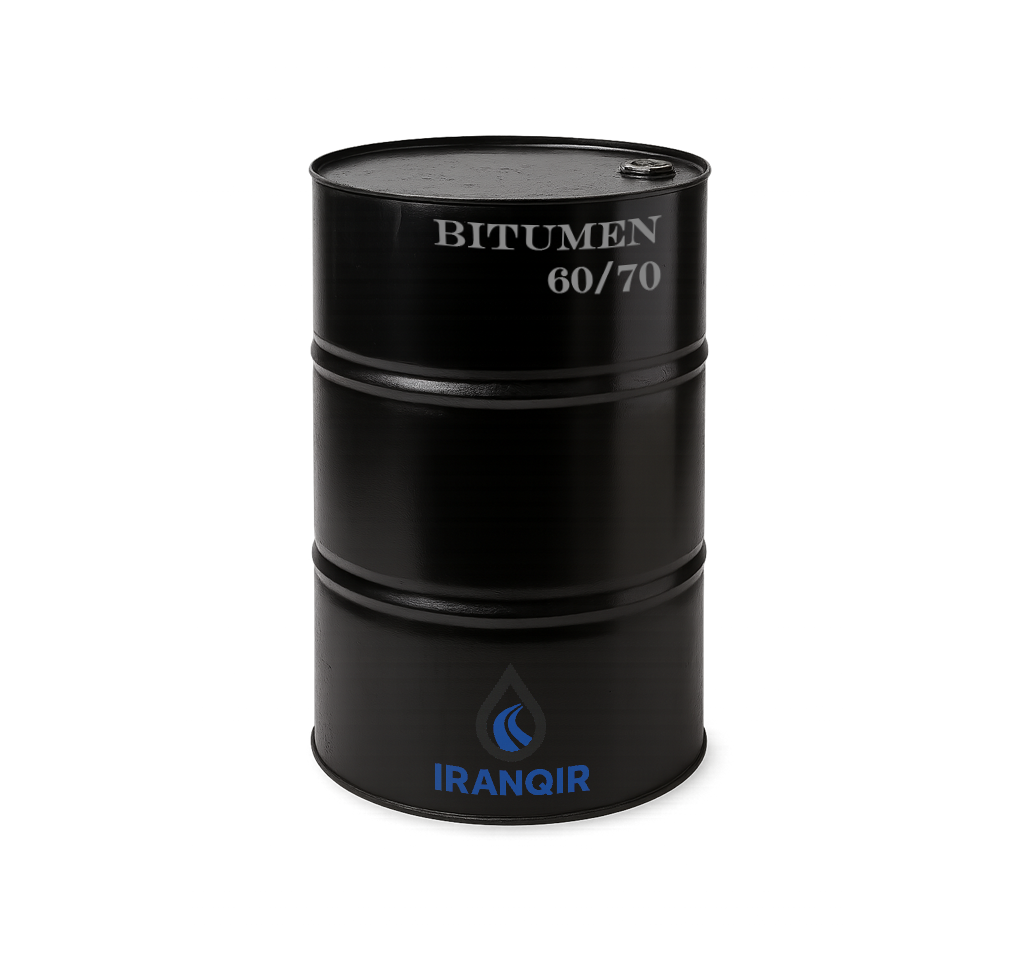
Types of Bitumen
2. Iran’s Bitumen Export Sales
Iran ranks among the top bitumen producers in the Middle East and globally. Thanks to its vast oil reserves and advanced refining infrastructure, the country can manufacture various bitumen types that meet international standards and export them competitively.
Why Is Iranian Bitumen Popular in Global Markets?
– **High Quality:** Iranian bitumen—especially grades 60/70 and 85/100—complies with international standards such as ASTM and EN.- **Competitive Pricing:** Direct access to crude oil as a raw material ensures cost-effective production and pricing.- **Product Diversity:** Iran can produce and export all major bitumen types: petroleum, oxidized, emulsion, and polymer-modified.- **Export Experience:** Iranian companies have years of experience working with international clients and utilize global logistics, shipping, and insurance systems.
Key Export Destinations for Iranian Bitumen
– **Turkey:** One of the largest importers due to extensive road construction and maintenance needs.
– **Iraq:** High demand driven by infrastructure development and shared borders.
– **Afghanistan & Pakistan:** Used in national road-building programs.
– **Russia, Azerbaijan, Armenia, and African countries:** Growing markets with increasing demand for affordable, high-quality bitumen.
Export Methods
Iranian bitumen is exported in two primary forms:
– **ISO Tank Containers:** Ideal for sea and road transport.
– **180 kg Drums:** Suitable for smaller orders or countries lacking tank unloading facilities.
Additionally, many Iranian suppliers offer **OEM services** (production under the buyer’s brand) and **custom packaging** to meet specific market requirements.
Challenges and Opportunities
While sanctions have occasionally hindered export activities, Iran has adapted through alternative trade mechanisms—such as non-dollar transactions, non-U.S.-affiliated shipping lines, and bilateral agreements. Moreover, expanding economic ties with neighboring countries and members of the Economic Cooperation Organization (ECO) continue to open new export avenues for Iranian bitumen.
Conclusion
Thus bitumen is a strategic product of Iran’s oil industry, playing a vital role in both domestic infrastructure development and foreign exchange earnings. Understanding the different types of bitumen and their specific applications is essential for contractors, civil engineers, and international buyers. With its high-quality products, competitive pricing, and diverse portfolio, Iran is well-positioned to strengthen and expand its presence in the global bitumen market.
**Iran Bitumen** – Your trusted partner for every project, from road paving to dam waterproofing!
Contact us today for pricing, technical specifications, and export opportunities.