
Cutback Bitumen: Types, Applications, and Price Guide in Iran
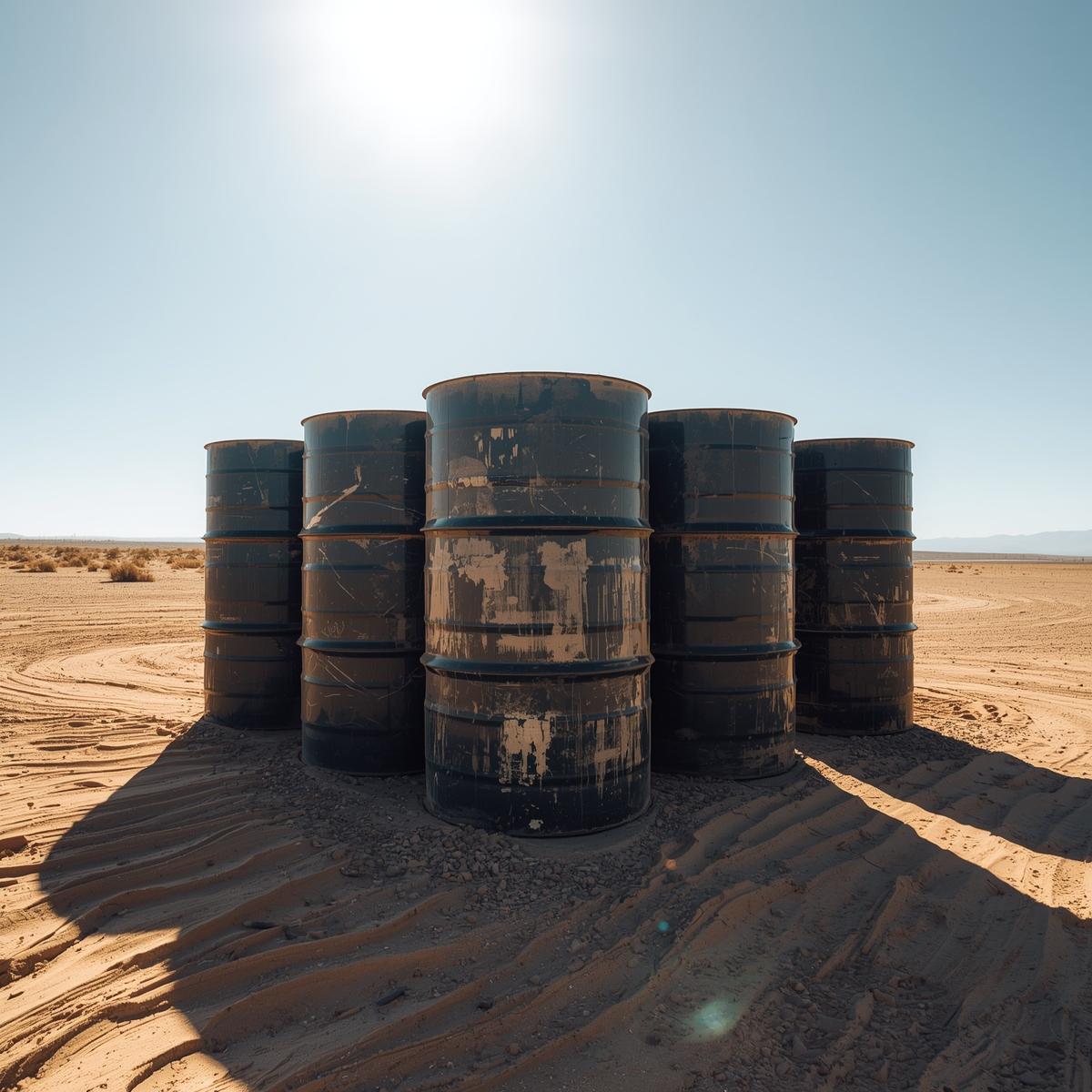
Discover everything about cutback bitumen in 2025: types (MC, SC, RC), applications in road & roofing, curing differences, and current prices in Iran. Trusted supplier: Iran Bitumen Co.
1. What Is Cutback Bitumen?
Cutback bitumen is a modified form of traditional bitumen created by blending penetration-grade bitumen with petroleum solvents such as gasoline, kerosene, or diesel. This process significantly reduces the viscosity of the bitumen, making it fluid enough to be applied at ambient temperatures—eliminating the need for heating during application.
Once applied, the volatile solvents gradually evaporate, allowing the bitumen to regain its original waterproofing and adhesive properties. Due to its ease of use, cost-effectiveness, and reliable performance across diverse climatic conditions, cutback bitumen remains one of the most widely used materials in Iran’s road construction, roofing, and waterproofing industries.
Cutback bitumen is primarily categorized into two types based on curing speed: **rapid-curing (RC)** and **slow-curing (SC)**—each tailored for specific engineering and environmental requirements.
2. Applications of Cutback Bitumen
Cutback bitumen serves a broad range of industrial and civil applications, including:
– **Roof and rooftop waterproofing**
Its excellent water-resistant properties make it ideal for protecting buildings from moisture infiltration.
– **Road construction priming**
Used as a tack coat or prime coat between asphalt layers to enhance bonding.
– **Pipeline coating**
Applied to steel pipelines to prevent corrosion in oil, gas, and water transmission systems.
– **Pothole and crack sealing**
Ideal for quick, localized road repairs without specialized equipment.
– **Foundation and basement waterproofing**
Commonly used in residential and commercial construction to seal underground structures.
A major advantage of cutback bitumen is its **cold-application capability**, which reduces labor costs, energy consumption, and project timelines—making it a go-to solution for contractors and engineers across Iran.
3. MC Cutback Bitumen (Medium Curing)
**MC cutback bitumen**—short for *Medium Curing Cutback Bitumen*—is produced by blending bitumen with medium-volatility solvents like kerosene or light diesel. It offers a balanced evaporation rate, making it suitable for projects requiring moderate working time and drying speed.
**Common uses of MC cutback bitumen include**:
– Prime coats for asphalt paving
– Interlayer bonding in flexible pavements
– Waterproofing in temperate climates
Thanks to its optimal viscosity and workability, MC cutback is extensively used in medium- to large-scale infrastructure projects throughout Iran, especially where ambient temperature conditions are stable.
4. SC Cutback Bitumen (Slow Curing)
**SC cutback bitumen** (*Slow Curing Cutback Bitumen*) is formulated with heavy oils or high-boiling-point distillates, resulting in a slower solvent evaporation rate. This extended curing time allows for better workability in hot, dry environments and reduces the risk of premature drying and cracking.
**Key benefits of SC cutback bitumen**:
– Ideal for base course treatments in road construction
– Minimizes thermal cracking in arid regions
– Enhances adhesion in multi-layer paving systems
However, due to its slow curing nature, SC cutback is less suitable for cold or humid climates. It’s also slightly more expensive than RC or MC types because of the heavier solvents used in its formulation.
5. Rapid-Curing vs. Slow-Curing Cutback Bitumen
The primary distinction between **rapid-curing (RC)** and **slow-curing (SC)** cutback bitumen lies in the type of solvent and evaporation speed:
– **Rapid-Curing (RC)**: Made with light solvents like naphtha or gasoline, RC cutback dries quickly—often within minutes. It’s perfect for emergency road repairs, surface priming, and applications requiring immediate traffic reopening.
– **Slow-Curing (SC)**: Formulated with heavy fuel oils, SC cutback provides extended workability, making it ideal for base layers and large-area applications where longer curing time improves compaction and bonding.
Choosing between RC and SC depends on **project timelines, weather conditions, and engineering specifications**. In Iran’s varied climate—from the arid south to the humid Caspian coast—selecting the right curing type is critical for long-term performance.
6. Cutback Bitumen Price in Iran (2025)
The price of cutback bitumen in Iran fluctuates based on several key factors:
– **Type (RC, MC, or SC)**
– **Solvent content and volatility**
– **Global crude oil and refined product prices**
– **Transportation and packaging costs**
– **Domestic supply-demand dynamics**
In addition as of 2025, the average market price for cutback bitumen in Iran ranges from **0.7 to 1.2 $ per kilogram**, depending on grade and volume. Bulk buyers—especially government contractors and large construction firms—often secure better rates directly from certified manufacturers like **Iran Bitumen Co.**
And for the most accurate and up-to-date pricing, we recommend contacting Iran Bitumen’s sales department or submitting a quote request through their official website. All products comply with **Iranian National Standards (ISIRI)** and international quality certifications.
Final Thoughts
Thus cutback bitumen remains an indispensable material in modern civil engineering—offering unmatched versatility in waterproofing, road construction, and infrastructure protection. Also with options like **MC, SC, RC, and slow-curing variants**, professionals can tailor their material choice to project-specific needs, climate, and budget.
When quality, reliability, and technical support matter, **Iran Bitumen** stands as a trusted leader in the Middle East—delivering premium cutback bitumen solutions backed by decades of industry expertise.
cutback bitumen