
cut-back bitumen: Definition, Applications

Cut-Back Bitumen: Definition, Applications, Differences, Industrial Types & Price Guide
Bitumen is one of the most essential materials in construction and road engineering, valued for its waterproofing properties and durability. Among its various forms, **cut-back bitumen** stands out due to its ease of application, cost-effectiveness, and versatility—especially in cold or small-scale projects. In this comprehensive guide, we’ll explore what cut-back bitumen is, how it differs from other bitumen types, its industrial classifications, and current market pricing.
1. What Is Cut-Back Bitumen and What Is It Used For?
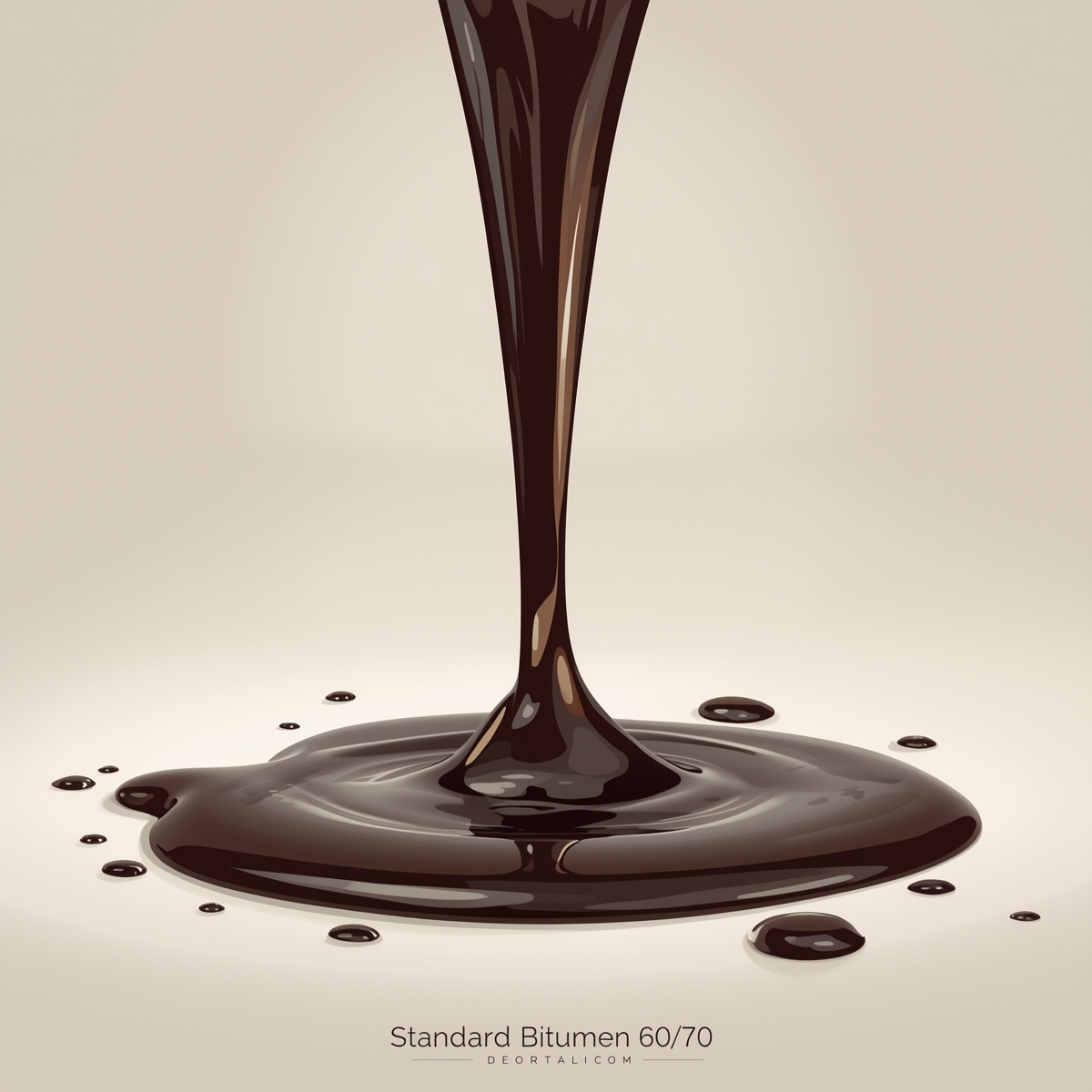
**Cut-back bitumen** is a liquid form of bitumen created by blending standard (hard) bitumen with volatile petroleum solvents such as kerosene, naphtha, or gasoline. This process significantly reduces its viscosity, allowing it to remain fluid at ambient temperatures—**eliminating the need for high-temperature heating during application**.
Because of this unique property, cut-back bitumen is widely used in:
– **Priming road surfaces** before asphalt laying to enhance adhesion between layers.
– **Waterproofing roofs, basements, and underground structures** in residential and commercial construction.
– **Patching cracks and minor road repairs**, especially in cold climates where hot mix asphalt isn’t practical.
– **Protective coating for pipelines** in oil, gas, and industrial facilities to prevent corrosion and moisture damage.
In short, wherever easy application, deep penetration, or cold-condition performance is required, cut-back bitumen is often the go-to solution.
2. Difference Between Cut-Back Bitumen and Hard Bitumen
Although both originate from crude oil refining, **cut-back bitumen and hard (penetration-grade) bitumen** differ significantly in composition and usability:
– **Hard bitumen** is solid or semi-solid at room temperature and must be heated to **150–180°C** before use—commonly in hot-mix asphalt production for major highways.
– **Cut-back bitumen**, by contrast, is liquid at ambient temperature thanks to added solvents, making it ideal for **low-tech or remote applications** without specialized heating equipment.
Moreover, **once the solvent evaporates**, cut-back bitumen gradually hardens and behaves like standard bitumen—ensuring long-term performance while offering short-term workability.
3. Cut-Back Bitumen vs. Asphalt Mix: What’s the Difference?
Many confuse cut-back bitumen with **asphalt mix (or asphalt concrete)**—but they are not the same.
– **Cut-back bitumen** acts as a *binder or primer*, not a final paving material. It’s used to prepare surfaces or seal structures.
– **Asphalt mix**, however, is a composite material made of **aggregates (stone, sand, gravel) bound together by bitumen**—either hard bitumen (in hot mix) or emulsified/cut-back bitumen (in cold mix).
Therefore, while cut-back bitumen can be a *component* in certain cold asphalt mixes, it is **not a replacement** for finished asphalt pavement.
4. Industrial Types of Cut-Back Bitumen
In industrial applications, cut-back bitumen is categorized based on **solvent evaporation rate**:
– **Rapid-Curing (RC)**: Uses light solvents like gasoline. Dries quickly—ideal for surface priming.
– **Medium-Curing (MC)**: Uses medium-weight solvents like kerosene. Balanced evaporation for general use.
– **Slow-Curing (SC)**: Uses heavy fuel oils. Evaporates slowly—suitable for warm climates or dust control.
These grades (e.g., **MC-30, RC-70**) are standardized under **ASTM D2026** and **ISIRI 2848**, ensuring consistent quality across global markets.
5. Cut-Back Bitumen Price: What Affects Cost?
The **price of cut-back bitumen** fluctuates based on several key factors:
– **Type (RC, MC, or SC)**: RC grades are typically more expensive due to costly light solvents.
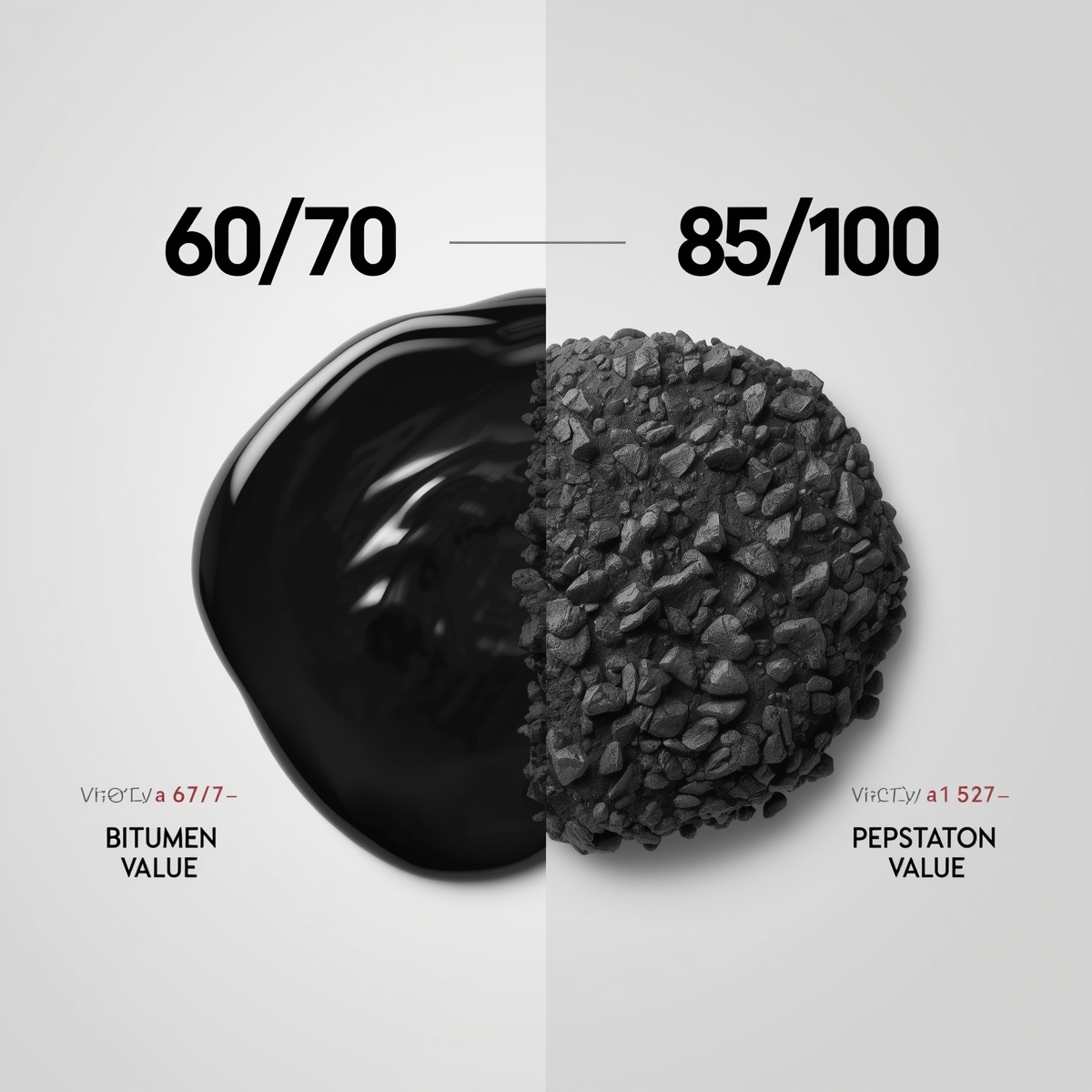
– **Base bitumen grade** (e.g., 60/70 or 85/100): Higher-quality base materials increase cost.
– **Crude oil and currency exchange rates**: As a petroleum-derived product, it’s sensitive to global oil prices.
– **Packaging**: Bulk delivery is more economical for large projects, while drum packaging suits small-scale use.
For the most accurate and competitive **cut-back bitumen price**, it’s best to contact certified suppliers like **Iran Ghir** directly—especially since prices can vary seasonally and regionally.

Cut-Back Bitumen
Final Thoughts
Cut-back bitumen remains a vital solution in modern infrastructure, offering unmatched flexibility in waterproofing, road maintenance, and industrial coating. By understanding its types, applications, and differences from hard bitumen or asphalt mixes, engineers and contractors can make smarter, more cost-effective material choices.
Looking for **high-quality, standardized cut-back bitumen**? **Iran Ghir** provides a full range of RC, MC, and SC grades—backed by technical support and reliable delivery across domestic and international markets.